How Laser Treatments Improve Skin Texture and Tone Healthy-looking skin is not just about having a clear complexion. Smooth texture, an even skin tone and a natural-looking glow all contribute to the overall appearance of your skin. However, concerns such as uneven pigmentation, sun damage, fine lines, acne scars and rough skin texture can affect …

How Laser Treatments Improve Skin Texture and Tone
Healthy-looking skin is not just about having a clear complexion. Smooth texture, an even skin tone and a natural-looking glow all contribute to the overall appearance of your skin. However, concerns such as uneven pigmentation, sun damage, fine lines, acne scars and rough skin texture can affect how your complexion looks and feels.
Laser skin treatments are one option that may help improve the appearance of selected skin concerns. Depending on the laser technology used, treatment can target specific areas of the skin, encourage skin renewal or improve the appearance of uneven texture and discolouration.
At Prity Skincare, we understand that every person’s skin is different. This guide explains how laser treatments work, which skin concerns they may address, what to expect and why choosing an appropriate treatment for your skin is important.
What Are Laser Skin Treatments?
Laser skin treatments use focused beams of light energy to target particular structures or layers within the skin. Different laser technologies are designed for different purposes, so the treatment selected depends on the skin concern, skin type and desired outcome.
Some laser treatments target pigmentation, while others are designed to improve the appearance of fine lines, scars and uneven skin texture.
Laser skin treatments may be considered for concerns such as:
Uneven skin tone and pigmentation
Sun-damaged skin
The appearance of acne scars
Rough or uneven skin texture
Selected fine lines and wrinkles
Certain types of visible skin discolouration
Not every laser treats every skin concern. A suitable treatment should always be selected following an appropriate skin assessment.
How Do Laser Treatments Improve Skin Texture?
Skin texture refers to how smooth or uneven the surface of your skin appears. Enlarged pores, acne scarring, rough patches and fine lines can make the skin look less even.
Certain laser resurfacing treatments work by delivering controlled energy to the skin. Depending on the technology, this may remove or affect selected skin layers and stimulate the skin’s natural repair processes.
As the treated area heals, the appearance of the skin may gradually improve.
Potential improvements include:
Smoother-looking skin
Reduced appearance of selected acne scars
Improvement in uneven skin texture
Softer-looking fine lines
A more refined overall complexion
Results depend on the laser used, the condition being treated and individual skin characteristics. Deeper scars and significant textural changes may require a different treatment approach.
How Can Laser Treatments Improve Uneven Skin Tone?
Uneven skin tone can develop for several reasons, including sun exposure, post-inflammatory pigmentation and changes in the distribution of melanin.
Melanin is the natural pigment responsible for the colour of your skin.
Some laser technologies are designed to target excess pigment in selected areas. The body’s natural processes then gradually clear the targeted pigment particles.
Depending on the type of pigmentation and laser technology, treatment may help improve the appearance of:
Selected sun spots and age spots
Certain forms of uneven pigmentation
Some types of superficial discolouration
Selected pigmentation marks following skin inflammation
However, not all pigmentation responds to laser treatment. For example, melasma can be difficult to manage and may become worse following certain laser procedures.
A professional assessment is important before deciding whether laser treatment is an appropriate option.
What Is CO2 Laser Skin Resurfacing?
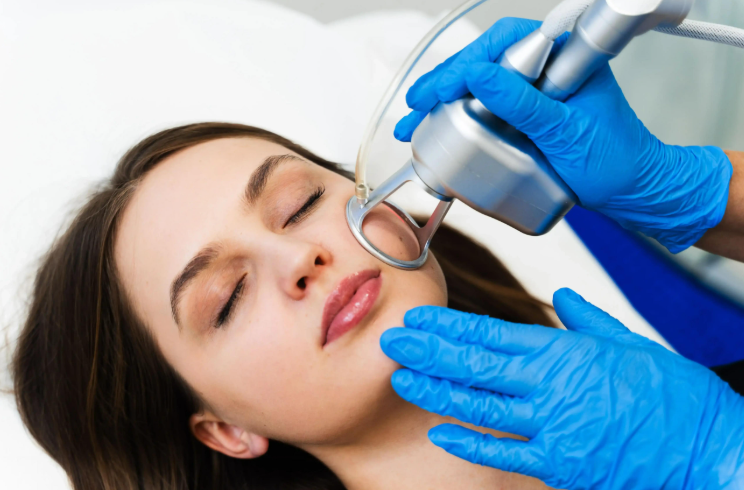
CO2 laser skin resurfacing is a type of ablative laser treatment that uses carbon dioxide laser energy to target the skin’s surface.
Depending on the technique and settings, CO2 laser resurfacing can remove controlled areas of damaged skin and stimulate a wound-healing response in the underlying tissue.
It may be used to improve the appearance of:
Certain acne scars
Selected facial scars
Sun-damaged skin
Fine lines and wrinkles
Uneven skin texture
Fractional CO2 laser technology treats small columns of skin while leaving surrounding areas untreated. This approach differs from fully ablative resurfacing, which treats a more continuous area.
CO2 laser resurfacing is not suitable for everyone. Treatment intensity, recovery time and potential risks depend on the device, settings and individual skin characteristics.
Which Skin Concerns May Benefit From Laser Treatments?
Different laser technologies address different concerns. Understanding the reason for treatment helps determine which option may be appropriate.
1. Uneven Skin Tone
Certain pigmentation-targeting lasers may help improve selected dark spots and areas of uneven colour.
2. Acne Scars
Some resurfacing lasers can improve the appearance of selected acne scars by changing the surface and structure of the treated skin. Deep scars may need alternative or combination treatments.
3. Fine Lines and Wrinkles
Certain resurfacing treatments can improve the appearance of fine lines, particularly those associated with sun damage and changes in skin texture.
4. Sun-Damaged Skin
Sun exposure can contribute to pigmentation, roughness and visible signs of skin ageing. Depending on the concern, specific laser treatments may help improve the appearance of selected signs of sun damage.
5. Rough Skin Texture
Laser resurfacing may help improve selected rough or uneven areas by encouraging skin renewal and remodelling.
The most appropriate treatment depends on an individual’s skin assessment rather than the concern alone.
What Happens During a Laser Skin Treatment?
The exact process depends on the type of laser being used. However, a typical treatment journey may involve several stages.
1. Initial Skin Consultation
Your skin and treatment concerns should be assessed before any procedure. This helps establish whether laser treatment is suitable and which technology may be appropriate.
2. Treatment Preparation
You may receive instructions about sun exposure, skincare products and medications before treatment. Follow the specific advice provided by your qualified practitioner.
3. Laser Treatment
The treatment area is prepared and appropriate eye protection is used. The laser is then applied according to the selected treatment plan.
You may experience warmth, tingling or discomfort depending on the technology and treatment intensity.
4. Post-Treatment Care
Aftercare instructions will depend on the laser procedure. Redness, swelling, sensitivity and peeling may occur with certain resurfacing treatments.
Following the recommended aftercare routine is important for proper healing.
How Many Laser Treatments Are Needed?
There is no single number of sessions that applies to every laser treatment.
Some procedures may involve a single treatment, while others may require multiple sessions to achieve the desired improvement.
The number of sessions can depend on:
The type of laser technology
The skin concern being treated
The depth and severity of the concern
Individual skin characteristics
The response to previous treatments
Your practitioner should explain the expected treatment plan, suitable intervals and realistic outcomes before you proceed.
Is Laser Skin Treatment Suitable for Every Skin Type?
No. Laser treatments are not suitable for every person or every skin concern.
Skin tone is particularly important because some laser procedures can increase the risk of unwanted pigmentation changes, especially in darker skin tones.
Other factors that may affect suitability include:
Recent tanning or significant sun exposure
Active skin infections or irritation
A history of abnormal scarring
Certain medications that increase light sensitivity
A history of cold sores in the treatment area
Existing pigmentation conditions such as melasma
A proper assessment should identify possible risks and whether another treatment would be more appropriate.
Laser Skin Treatment Aftercare: How to Look After Your Skin
Aftercare plays an important role in supporting skin recovery. Instructions will vary depending on the treatment and its intensity.
General aftercare considerations may include:
Avoid direct sun exposure while the skin is healing.
Use a broad-spectrum SPF 30–50 sunscreen as advised by your practitioner.
Avoid picking, scratching or peeling treated skin.
Use only recommended gentle skincare products.
Avoid exfoliating acids, retinoids and other active ingredients until your practitioner says they are suitable.
Follow all cleansing and moisturising instructions.
Attend any recommended follow-up appointments.
If you notice unexpected pain, increasing redness, blistering, signs of infection or other concerning symptoms, contact your treating practitioner promptly.
Frequently Asked Questions About Laser Skin Treatments
1. Can laser treatments improve uneven skin tone?
Certain laser technologies can target selected forms of pigmentation and help improve the appearance of uneven skin tone. However, results depend on the cause of pigmentation and the individual’s skin characteristics.
2. Can laser skin treatments help with acne scars?
Some laser resurfacing procedures can improve the appearance of selected acne scars by targeting the skin’s surface and stimulating remodelling. Deep or extensive scars may require alternative or combined treatments.
3. How long does it take to see results from laser skin treatments?
The timeframe varies depending on the treatment. Some pigmentation treatments produce gradual changes over several weeks, while resurfacing procedures may require a longer recovery period before improvements become visible.
4. Is CO2 laser resurfacing the same as laser hair removal?
No. CO2 laser resurfacing is designed to improve selected skin concerns such as texture, scars and fine lines. Laser hair removal uses different laser technology to target hair follicles and reduce unwanted hair growth.
5. Can laser treatments cause pigmentation?
Yes. Some laser procedures can cause temporary or, in certain cases, longer-lasting darkening or lightening of the skin. This risk can be higher in people with darker skin tones, depending on the treatment and laser settings.
6. Do laser skin treatments require downtime?
Some treatments involve little downtime, while ablative resurfacing procedures such as CO2 laser treatment can require a more significant recovery period. The expected downtime should be discussed before treatment.
7. Can I have laser treatment during summer?
Laser treatment is not automatically unsuitable during summer, but recent tanning and sun exposure can increase certain risks. Your practitioner should assess your skin and discuss sun protection and treatment timing.
8. How do I know which laser treatment is right for my skin?
The right option depends on your skin concern, skin tone, medical history and treatment goals. An individual assessment by an appropriately qualified practitioner is the best way to determine suitability.
Explore Laser Skin Treatments at Prity Skincare
If you are concerned about uneven skin tone, pigmentation, acne scars or rough skin texture, understanding your treatment options is an important first step.
At Prity Skincare, we encourage an individual approach to skincare and treatment planning. The most suitable option depends on your skin’s needs, your concerns and an appropriate professional assessment.
Explore our CO2 Laser Skin Resurfacing treatment to learn more about the treatment available at Prity Skincare.
For personalised information about treatment suitability, contact the clinic before making a booking.
Healthy-looking skin starts with understanding your skin and choosing the right approach.